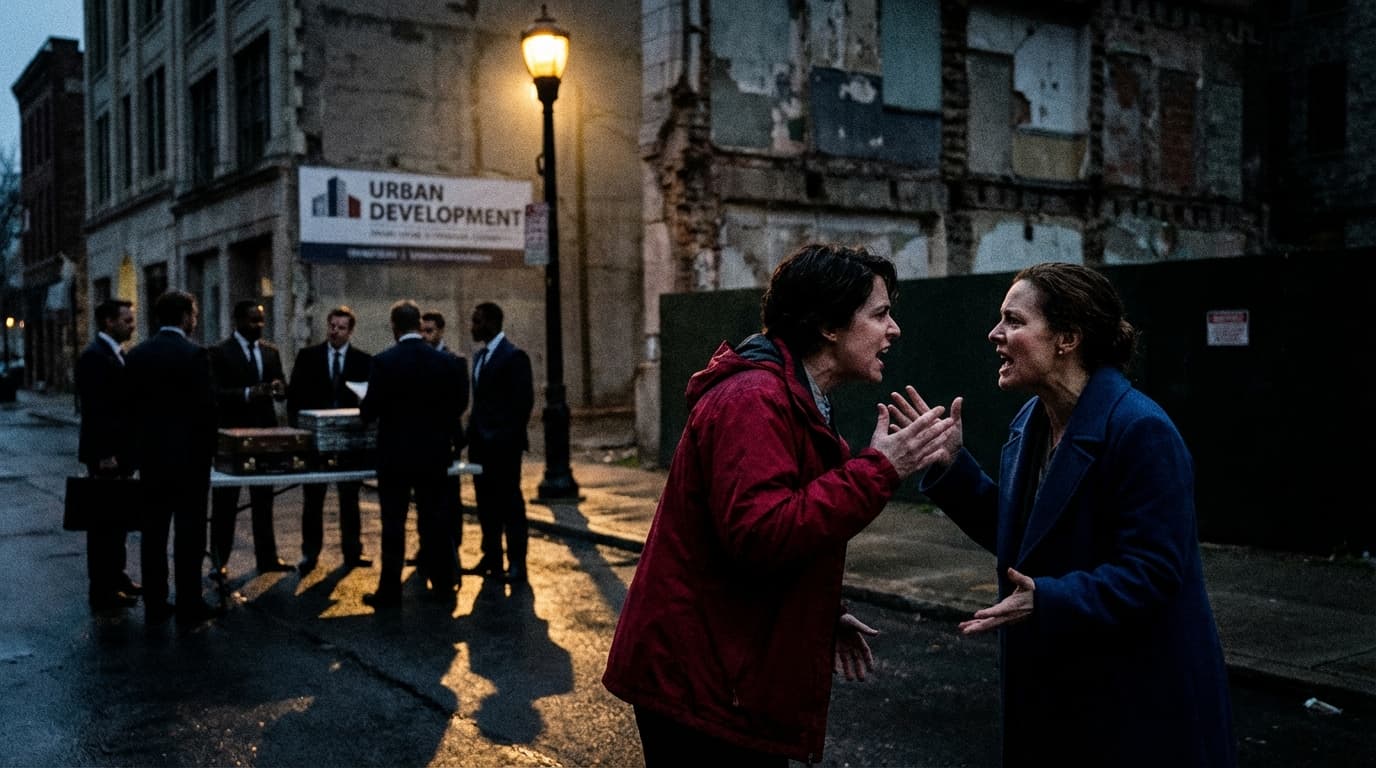
The Cop-Out Has Become The Brand
I was scrolling a comment thread the other day. Hundreds of replies, all agreeing on the same thing. Making it in America is impossible.
They typed this on phones that cost two weeks of groceries.
The accurate word is hard. There's a country-sized gap between hard and impossible, and most of life happens in it. The people who can't see that gap are losing on purpose.
BLUF: The "you can't make it in America anymore" claim is everywhere right now. From the left it sounds like billionaires and late capitalism. From the right it sounds like elites and the woke mob. Both sides land in the same place. The cop-out. And it's making the country worse one whining comment at a time.
The system is broken. It wasn't built to help you. None of that gets you out of trying.
The Claim
You've heard it a thousand times.
"It's impossible to make it in America today."
You'll hear it from a 22-year-old on TikTok blaming late-stage capitalism. You'll hear it from a 50-year-old at a bar blaming the woke mob. Different costumes, same line. Both sides waving the same flag of surrender.
Left version goes like this: the system is rigged. The billionaires won. The algorithm beats you. Why bother.
Right version goes like this: the elites kicked you to the curb. The establishment hates you. The rules don't work for normal Americans anymore. Why bother.
Strip the partisan flavoring and it's the same conclusion. The deck is stacked. There is no point in trying. Hand me the remote.
That's a cop-out.
The Source Check
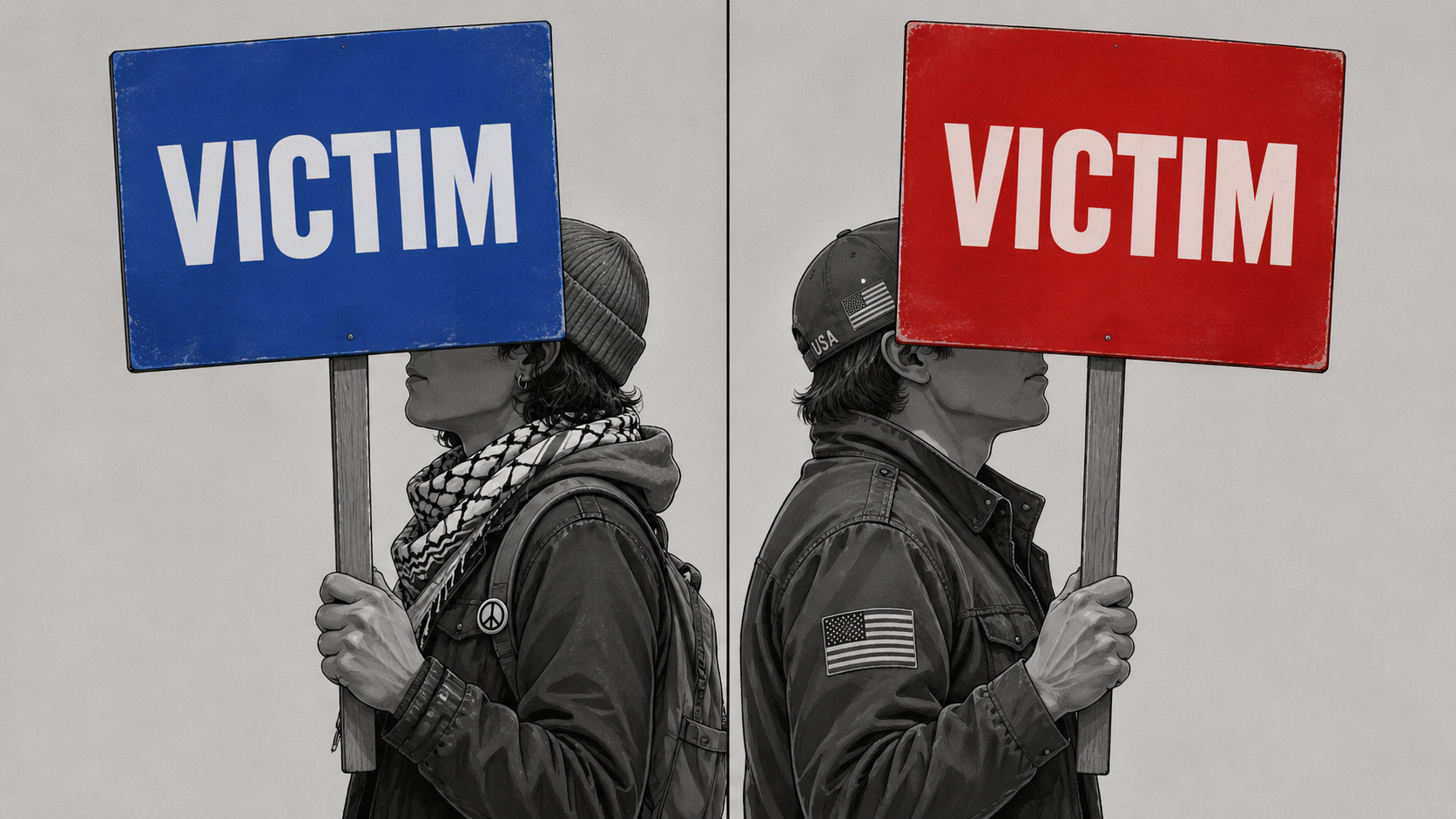
This framing didn't appear out of nowhere. It's been growing for years on both sides because grievance content sells. Both wings of American media have figured out that "you're a victim" gets clicks. Outrage gets shares. Helplessness gets you to keep watching.
The numbers say both teams are deep in the same swamp.
Sixty percent of white evangelicals say they face regular discrimination in America (Survey Center on American Life, on PRRI 2023 data). That belief sits near the top of their political identity. Meanwhile, those same voters' belief that gay and lesbian Americans face discrimination has gone DOWN. The math doesn't work unless you're picking who counts. The same demographic that just won the White House and most of the courts thinks the country is out to get them. Tough crowd.
Forty-three percent of Hispanic college students say they support campus speech codes that restrict offensive speech (Knight Foundation, 2024). Twenty-five percent of white students say the same. Different data point, same engine. Identity grievance pulled into the political nervous system, treated as proof the system is against you. Speech codes always sound great until somebody else gets to write them.
Researchers led by Alexandra Filindra at the University of Illinois Chicago looked at this in 2024. People who believe white Americans are the real victims were also the most likely to believe the 2020 election was stolen. The pattern held across multiple election cycles going back to 2012.
Two sociologists, Bradley Campbell and Jason Manning, named this pattern "victimhood culture" eight years ago. They were mostly talking about the left then. The 2024 to 2026 research wave on what's now called competitive victimhood says both sides do it now. Both make people willing to break the system to win. Both make people willing to treat the other side like they aren't human.
Both teams now run on grievance. That's the new bipartisan agreement. (I wrote about how the media on both sides plays this same game in The Problem Isn't Just Their Corruption. It's Your Excuses.)
The Facts
Yes. It is hard. Cost of living is brutal. Wages have not kept up. Housing has eaten the dream. Healthcare costs are obscene. Student debt is a chain. The complaint has roots in real numbers and I'm not going to pretend otherwise.
There's a gap between hard and impossible you could drive a truck through. Most of life happens in that gap.
People are still building. Small businesses are still being formed. Trade schools are running waitlists. Online classes are letting people pivot careers from a kitchen table. The GI Bill is still cutting tuition checks. Community college is still cheap. The mobility paths look different than they did in 1970, but they exist.
The pathway is harder than it used to be. The pathway exists.
The cop-out is what turns "this is hard" into "this is over." The research on this is brutal.
Psychologists have measured something called locus of control since 1954. People who believe their actions matter get more results, INDEPENDENT of how fair the system is. Internal-locus people work harder, recover from setbacks faster, and take action when they have a chance. External-locus people freeze.
A team led by Rahav Gabay at Tel Aviv University built a personality scale in 2020 called the Tendency for Interpersonal Victimhood. They found four traits in people who score high: a need to be seen as a victim, a feeling of moral superiority, lack of empathy, and dwelling on past hurts. People scoring high on this scale came out aggressive, entitled, and more likely to feel justified in doing wrong by others. The mindset produced bad outcomes no matter what life threw at the person.
In plain English: the guy who breaks your stuff and explains why you shouldn't have owned it in the first place.
The "I'm a victim" frame is a move you make. And the move changes who you are.
Some of you are about to say "easy for you to say." Fair. So I'll talk about combat.
Combat does not care about your feelings. Rocket attacks happen. IEDs happen. The system that put you in the kill zone is unfair. Your response is still: adapt, execute, survive. The men I served with had the most legitimate "the system screwed me" claim of anyone in this country. Some came home and rebuilt. Some came home and never got off the couch. Same combat. Same losses. Different mindsets. One group is still typing about it. The other group is busy.
Learned helplessness is documented in combat veterans. The treatment is rebuilding agency. Wallowing is part of the disease.
Calling it impossible is the cop-out.
If a Marine can rebuild agency after losing friends and limbs, you can rebuild agency after a shitty job market.
The Verdict
Verdict: Half True
TRUE: Making it in America is harder than it was for previous generations on real, measurable dimensions. Housing, healthcare, college debt, wages standing still. The frustration has roots. I am not arguing the system is working as designed.
FALSE: The impossibility claim. People are still doing it. The "no point trying" position requires you to ignore everyone who is, in fact, trying and winning. They exist. They're not unicorns. You probably know a few, and you probably resent them for it.
There's a third claim hiding inside both of those. Even where the difficulty is real, treating yourself as a victim is its own trap. You make the situation worse for yourself by adopting the frame. Saying "I'm a victim" is an action. The action makes you weaker.
The Lesson
A few tools you can apply tomorrow.
Watch for the cop-out. When somebody tells you it's impossible, ask the actual question. Is it impossible for everyone, or just for them. Different questions, different answers. The first is a society-wide claim and almost always wrong. The second is a personal claim and is sometimes true and sometimes a confession.
Notice the moral move. "I'm a victim of the system" lets the speaker off the hook for trying. That's the function. That's why people reach for it. They get to be morally clean and quit at the same time. It's a hell of a deal.
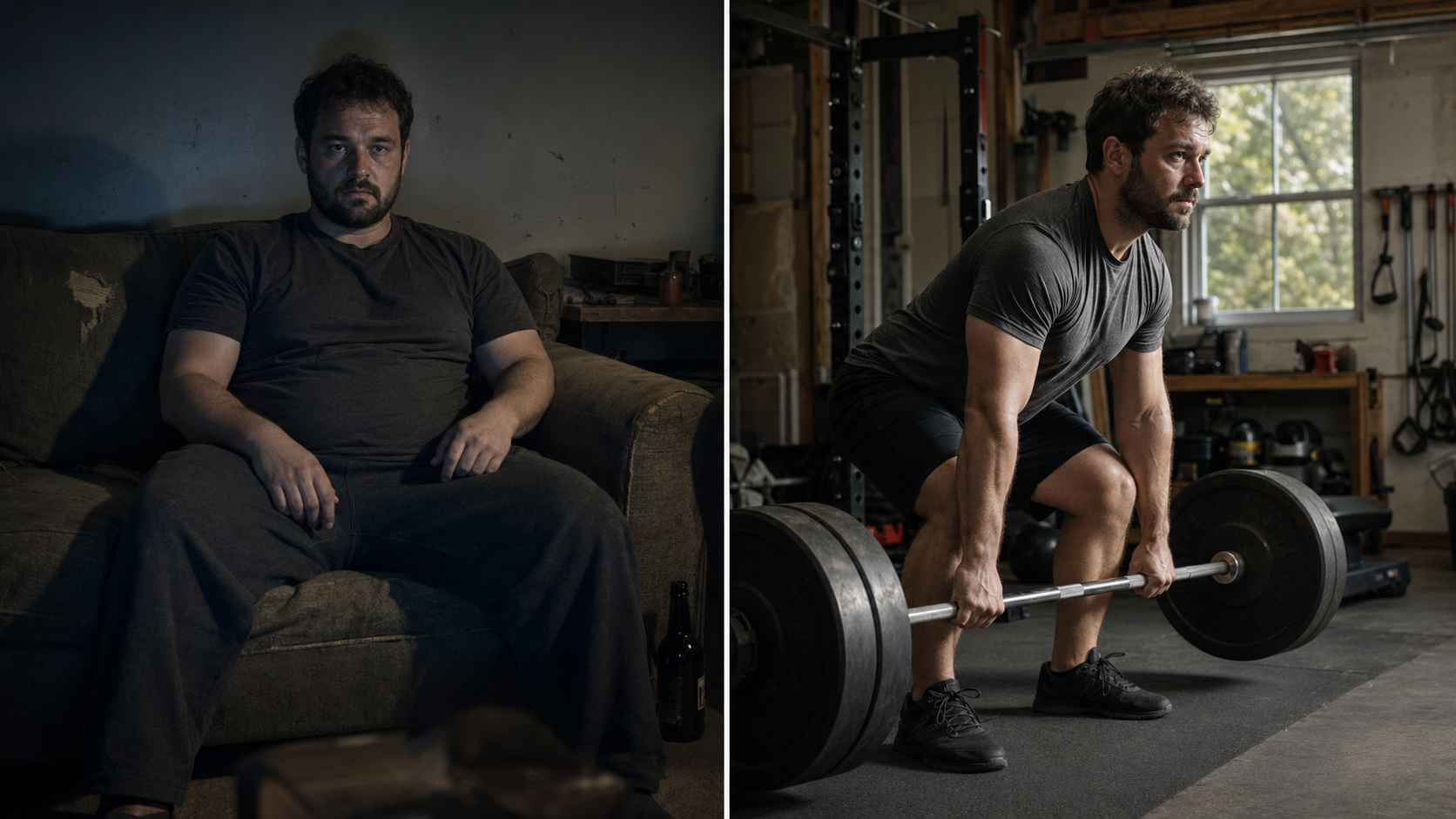
Apply the agency test. Imagine for one minute that improving your situation actually IS possible. Name the first action you'd take. If you can name it and you're still not doing it, the obstacle is in the mirror.
Stop demanding the system be fair. It won't be. It never has been. You don't get to opt out of trying because you correctly named the unfairness. Demand this of yourself and only this. Do not give up agency you actually have.
The system is broken. Wallowing doesn't fix it. Get up. Try the next thing. Make them prove they can stop you.
Kane
Sources
Survey Center on American Life, Why Most Evangelicals Say They Face "A Lot" of Discrimination (PRRI 2023 data)
Knight Foundation, College Student Views on Free Expression and Campus Speech 2024
Filindra, A., Kaplan, N. J., & Manning, A. (2024), Who Buys the "Big Lie"? White Racial Grievance and Confidence in the Fairness of American Elections
Campbell, B. & Manning, J. (2018), The Rise of Victimhood Culture: Microaggressions, Safe Spaces, and the New Culture Wars, Springer
Journal of Social Psychology (2025), When Victimhood Threatens Democracy: Competitive Victimhood Predicts Anti-Democratic Policy Support
Rotter, J. B. (1954). Locus of control, foundational concept
Gabay, R., Hameiri, B., Rubel-Lifschitz, R., & Nadler, A. (2020), The Tendency for Interpersonal Victimhood: The Personality Construct and Its Consequences, Personality and Individual Differences
Helping Veterans Trapped by Their Own Experiences: Learned Helplessness and Veteran Mental Health
Related Posts
The Problem Isn't Just Their Corruption. It's Your Excuses — the both-sides accountability frame applied to political corruption